Explore Most Popular Food Packaging
How to Choose the Best Food Packaging Boxes for Your Retail Business
Selecting the right food packaging solutions is crucial for every retail business. The choosing process includes multiple factors, including materials, design, and eco-friendliness. Each aspect serves an important purpose in preserving product quality and attracting customers. Retail businesses need to assess how these elements complement their brand image and industry standards. Understanding these details can make a difference in business success. What specific criteria should businesses prioritize to secure the best packaging choices?
Why Food Packaging Is Essential for Retail Success
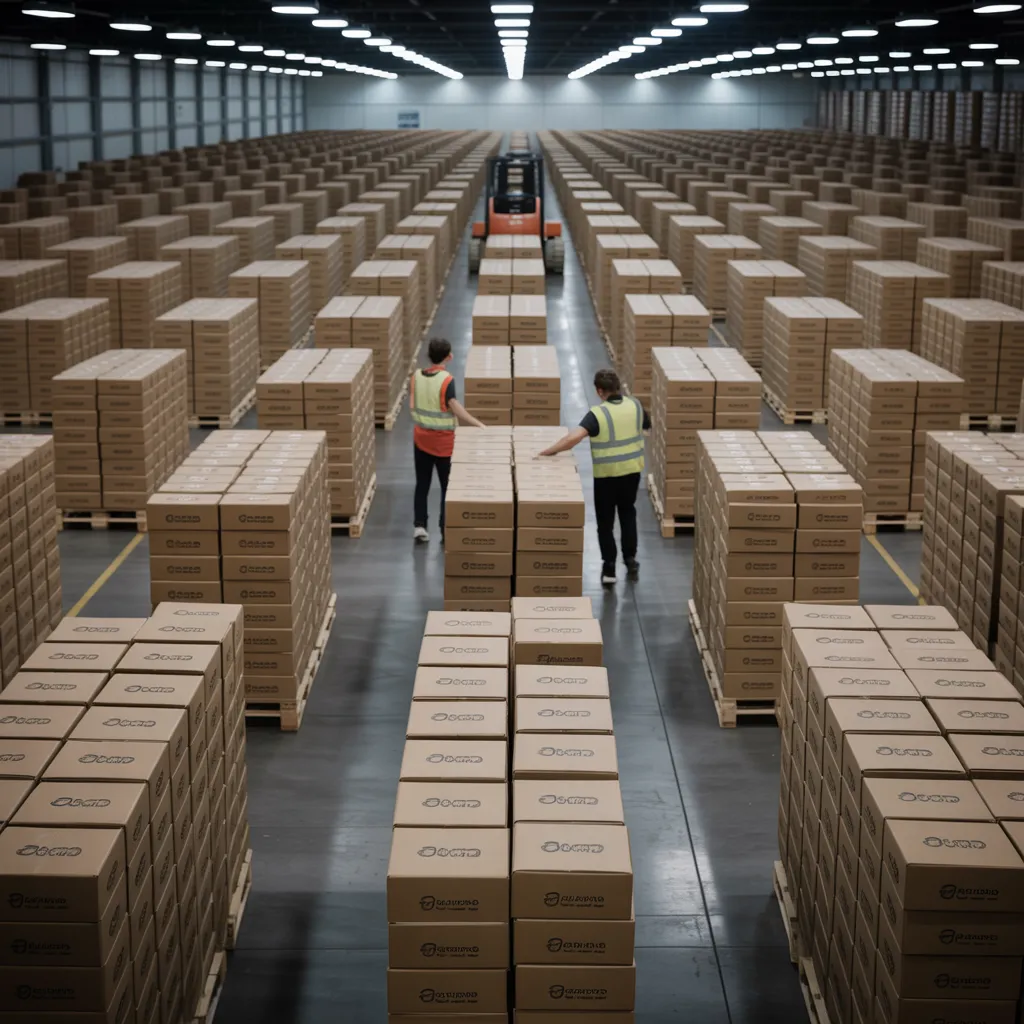
Food packaging plays an critical role in the retail business landscape by shaping how consumers perceive products and make buying choices. Quality packaging functions as a wordless brand ambassador, conveying essential details about the item while creating an appealing visual identity. It captures attention on crowded shelves and can set a product apart from rival brands.
Moreover, packaging gives consumers assurance of product quality and safety, which is critical in the food industry. Transparent labeling, appealing designs, and green materials can build brand loyalty and inspire repeat purchases. In addition, well-planned packaging can express the brand's mission and narrative, building a more profound connection with the customer.
Given the expansion of e-commerce, packaging has become essential in ensuring that products arrive intact and preserve their visual presentation, shaping customer feedback and satisfaction levels. In the end, strategic packaging plays a major role in driving sales and fostering long-term retail success.
Key Materials for Food Packaging
Selecting the correct components for food packaging is vital for upholding product integrity and ensuring safety. Various materials serve distinct purposes, influencing both preservation and the customer experience. Commonly used options include paperboard, which offers durability and recyclability, rendering it an eco-friendly option. Plastic, particularly PET and HDPE, offers excellent barrier properties, protecting food from moisture and contamination. Glass containers are favored for their inert nature, maintaining flavor and avoiding chemical interactions.
Metal packaging, including metal cans, is ideal for extending shelf life, especially for perishable items. Furthermore, eco-friendly and compostable materials are growing in demand, aligning with sustainability goals. Each packaging material's compatibility, cost, and availability with specific food types must be considered. At the end of the day, selecting the right packaging material not only protects food quality but also showcases an organization's focus on environmental responsibility and safety.
How to Develop Packaging That Appeals to Customers
Strategic packaging design plays an essential role in drawing in customers and boosting brand recognition. To achieve this, organizations should prioritize several critical components. First, color selection is of utmost importance; vivid colors can trigger feelings and draw the gaze, while more subdued tones can convey sophistication. Second, the typeface should be sharp and readable, guaranteeing that brand titles and product descriptions are instantly recognizable at first sight.
Incorporating original shapes or constructions can also set a product apart on packed display shelves, establishing a remarkable encounter for shoppers. Additionally, imagery that reflects the product's quality or origin can help to engage consumers. To conclude, incorporating a storytelling element or brand narrative on the packaging builds a stronger bond with the intended audience, driving involvement and lasting dedication. By thoughtfully combining these elements, companies can develop packaging that both captures interest and strengthens their brand image.
Eco-Friendly Approaches in Food Packaging: Why They Are Important
As consumers continue to prioritize ecological responsibility, the value of sustainable practices in food packaging remains critically important. Retail enterprises are becoming more aware of the need to use environmentally friendly materials that cut down on waste and decrease their carbon footprint. Green packaging alternatives, such as biodegradable, compostable, or recyclable materials, not only resonate with environmentally mindful consumers but also boost brand reputation.
Implementing eco-friendly measures cultivates openness and responsibility, permitting enterprises to align with the values find this resource of their intended audience. Additionally, governing policies are shifting towards increasingly stringent sustainability mandates, making it imperative for companies to integrate green packaging strategies.
Committing to eco-friendly methods can result in long-term cost savings, as businesses may reduce disposal costs and boost productivity. At its core, integrating sustainability in food packaging is not just a responsible obligation; it is a calculated decision that places businesses advantageously in an growing environmentally conscious marketplace.
Discovering the Right Equilibrium Between Cost and Quality in Packaging
Within the retail food sector, striking a balance between cost and quality in packaging is essential for success. Businesses must carefully evaluate material options to ensure long-lasting durability while also implementing economical design solutions that appeal to customers. This equilibrium can significantly influence both profitability and brand perception.
Assessing Material Choices
Choosing the right choice for food storage boxes requires a detailed evaluation of both financial and quality factors. Multiple options, such as biodegradable options, cardboard, and plastic, provide individual advantages and drawbacks. Paperboard is often affordable and environmentally friendly, establishing it as a popular option among businesses. Nevertheless, its sturdiness may occasionally fail to satisfy the requirements of particular perishables. Synthetic material delivers outstanding moisture resistance and can increase product longevity, but its effect on the environment raises challenges. Sustainable materials, although generally pricier, complement green initiatives and appeal to eco-conscious consumers. Ultimately, the decision-making process should weigh these factors, ensuring the chosen option safeguards the item while also accommodating budget constraints and brand values.
Budget-Friendly Design Approaches
Maintaining a harmony between cost and quality in food packaging design requires strategic planning and creativity. Retail businesses should explore using uniform packaging dimensions to lower manufacturing expenses while ensuring efficient use of materials. Utilizing clean yet visually appealing designs can boost brand recognition without incurring high expenses. Additionally, opting for versatile materials supports a variety of packaging needs, reducing waste while optimizing resource use. Collaborating with suppliers to investigate bulk buying opportunities can additionally reduce expenses. Finally, incorporating sustainable practices, such as sustainable or decomposable materials, not only attracts eco-aware customers but can also result in lasting financial benefits. By implementing these cost-effective strategies, businesses can attain packaging solutions that satisfy quality standards without exceeding budgets.
Assessing Packaging Choices: Essential Questions to Ask
How can a retail business effectively choose the right food packaging boxes? Evaluating packaging options requires careful consideration of several key questions. First, businesses should assess the material's suitability for the food type being packaged. Does it meet food safety standards while also maintaining product freshness? Additionally, the design must be taken into account—does it reflect the brand's image while remaining practical for end users?
Price is another vital factor. Is it possible for the business to copyright quality while remaining within budget? Moreover, businesses should assess the packaging's sustainability. Do eco-conscious alternatives exist that minimize environmental harm?
Ultimately، the logistics of storage and transportation must not be ignored. Can the packaging be stored and transported without sustaining damage? By addressing these questions, retail companies can arrive at educated conclusions that boost product appeal and secure customer contentment.
Popular Questions We Receive
What Are the Essential Food Packaging Regulations to Keep in Mind?
Typical food packaging requirements involve compliance with safety standards, labeling guidelines, material safety, and environmental regulations. Moreover, businesses must ensure that packaging avoids contamination and sustains product integrity across its entire shelf life.
How Can I Test the Durability of My Product Packaging?
To evaluate packaging durability, it is advisable to perform moisture resistance evaluations, drop tests, and compression tests. Observing how packaging withstands various environmental conditions and handling will provide insights into its overall strength and reliability for product protection.
Can I Customize Packaging for Seasonal Promotions?
Absolutely, packaging customization is possible for seasonal promotions. Companies commonly craft exclusive colors, graphics, and materials that correspond to the theme, enhancing appeal while powerfully expressing the campaign message to capture the attention of customers during special occasions.
What Are the Top Best Practices for Packaging Food for Delivery?
Proper food packaging for delivery involves utilizing durable, insulated materials to preserve temperature, ensuring leak-proof designs, and incorporating clear labeling for contents and handling instructions. Furthermore, sustainable options improve customer satisfaction and environmental accountability.
How Should I Deal With Packaging Waste in My Business?
To handle packaging waste effectively, businesses should establish recycling initiatives, use eco-friendly materials, and motivate customers to send back packaging. Periodic evaluations can also uncover opportunities to minimize waste, cultivating a more environmentally responsible way of operating.